
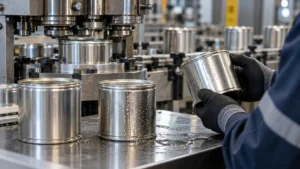

Your Tin Containers Are Failing Leakage Tests? The Problem May Be Your Seaming Process
After production, a batch of tin containers appears to be flawless. It looks like the lids have been securely placed, the edges are even, and it’s ready for shipping. Next up, the leakage test and some containers leak. This is wasted materials and unscheduled production delays for manufacturers, and rejected
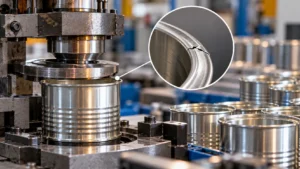
Why Tin Can Manufacturers Should Pay Attention to Edge Cracking During Flanging
A tiny crack along the rim of a tin can may not look serious during production. The container still holds its shape, and the damaged area might be barely visible. But once that can reaches the seaming stage, the same crack can create problems with the final closure. For manufacturers
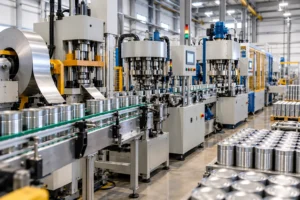
Why Some Tin Can Manufacturers Are Replacing Individual Machines With Complete Production Lines
Several machines may be operating in the factory during the day and still fall short of production goals! One machine completes its task in a short time and the other machine takes a longer time. Unfinished cans are delivered from one station to the next by workers; and these minor
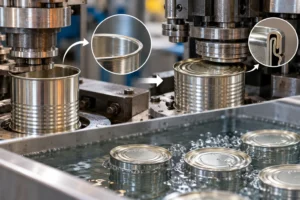
Why Precision Flanging Is Important Before the Seaming Stage in Tin Can Production
The shape, size and material thickness of a tin can can be correct, and still cause sealing issues during production. It might be because of a previous manufacturing stage that isn’t quite as well known: flanging. The edge of the can body needs to be prepared to the proper dimensions
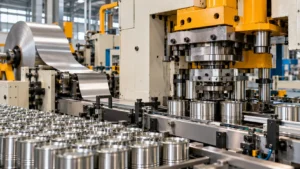
Why Metal Packaging Manufacturers Are Upgrading to Automatic Power Press Machines
In metal packaging factories, a few seconds lost during each pressing cycle can result in hours lost by the factory in a month. There may be difficulties to hold output, particularly during high order periods due to manual feeding, poor handling and frequent stoppages. This is one of the reasons
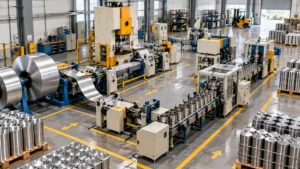
Why Machine Layout and Floor Space Planning Matter When Setting Up a Tin Packaging Unit
Two tin packaging factories can have the same machines with the same number of workers and the same production objectives, but with very different results! In many cases, it’s the difference in the way their manufacturing floors are organised. If the machine for making tins is poorly positioned, it may