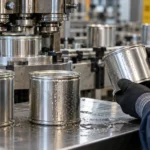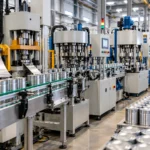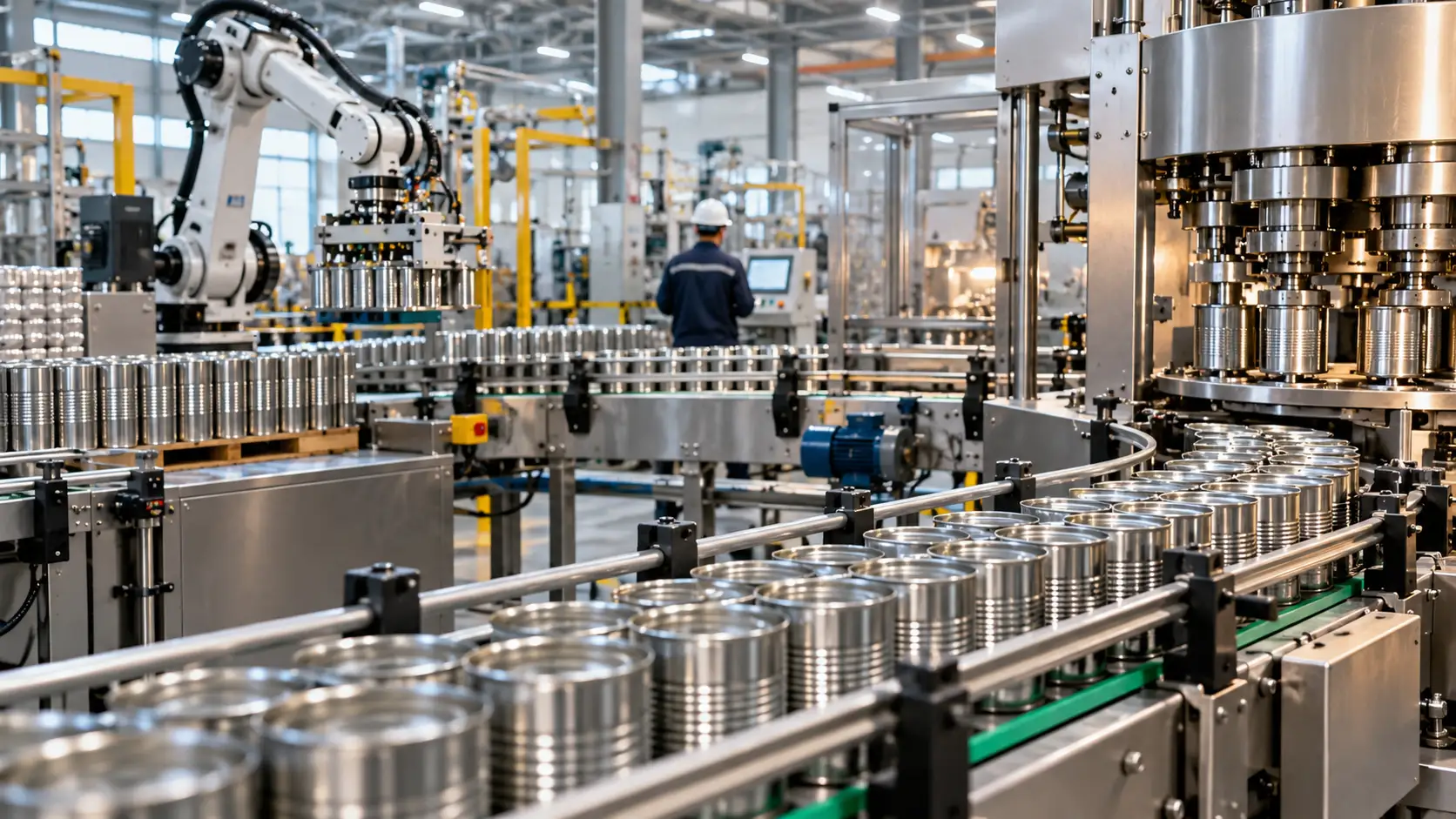
India’s packaging industry is changing as manufacturers look for faster production, consistent quality and better control over daily operations. For businesses producing metal cans for food, paints, chemicals and other products, manual processes can become difficult to manage as order volumes increase. This is where an automatic tin can manufacturing machine becomes relevant.
By reducing repetitive manual work and improving process consistency, automation can help manufacturers meet growing production requirements without compromising on quality.
However, the shift towards automation is not simply about producing more cans. It is also about making production more predictable, reducing avoidable errors and preparing factories for changing customer demands.
What Is Driving the Shift Towards Automatic Tin Can Production?
A few years ago, smaller production units could often manage their operations using manually operated or semi-automatic equipment. These machines remain useful today, particularly for limited production volumes.
But manufacturers handling larger orders face different challenges. They need to maintain consistent output while managing labour, machine downtime and material usage.
Several practical factors are encouraging businesses to consider automation:
- Higher production requirements: Manufacturers need equipment that can handle repeated operations efficiently.
- Consistent product quality: Automated processes can reduce variations caused by manual handling.
- Labour management: Businesses can allocate workers to supervision, inspection and other important activities.
- Production planning: Predictable machine cycles make it easier to organise daily manufacturing schedules.
- Long-term expansion: Suitable automated equipment can support future increases in production capacity.
These advantages depend on the machine configuration, operating conditions and the manufacturer’s actual production needs.
How Does Automation Improve Tin Can Manufacturing?
Think about a production unit that handles hundreds or thousands of metal cans during a working shift.
Even a small interruption during forming, handling or sealing can affect the entire production schedule. When these interruptions happen repeatedly, they create delays that become difficult to manage.
An automatic tin can manufacturing machine can help standardise specific manufacturing operations and reduce the need for continuous manual intervention.
Better Consistency Across Production Batches
Metal cans must meet specific dimensional and sealing requirements based on their intended applications.
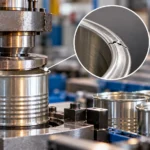
Automated machinery can help maintain repeatable operations when correctly configured and maintained. This is particularly important during can seaming, where improper seam formation can affect container integrity.
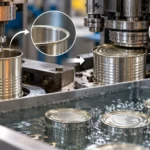
However, automated sealing does not eliminate the need for seam inspection and quality checks.
Reduced Dependence on Repetitive Manual Work
Manual production often requires workers to perform the same operations throughout the day.
Automation reduces some of this repetitive handling. Operators can instead focus on monitoring machine performance, checking finished components and addressing production issues.
This can improve workflow management without removing the need for trained personnel.
Improved Production Planning
Manufacturers need to know how much equipment can produce within a given period.
Automatic machinery can offer more predictable operating cycles, helping production teams estimate output, organise materials and plan delivery schedules.
Actual production rates still depend on machine specifications, can dimensions, setup time and maintenance.
Why Are Seaming Machines Important in Automatic Production Lines?
Seaming is one of the most important operations in metal can manufacturing.
It involves mechanically joining the can end to the can body to create a secure closure. The quality of this operation depends on factors such as tooling, machine adjustment, material characteristics and proper inspection.
Automatic seaming machines are relevant because they can:
- Perform repeated sealing operations with controlled machine movements.
- Reduce manual handling during the seaming process.
- Support consistent production when correctly adjusted.
- Fit into suitable automated manufacturing arrangements.
- Help manufacturers manage higher production requirements.
For businesses considering an automatic tin can manufacturing machine, understanding the role of seaming equipment is essential.
A production line may include several separate machines, and the correct combination depends on the type of cans being manufactured.
Is Automatic Machinery Suitable for Every Manufacturer?
Not necessarily.
A business producing limited batches of different can sizes may find semi-automatic machinery more practical than investing immediately in extensive automation.
Before making a purchase, manufacturers should consider:
- Production volume: How many cans need to be manufactured per shift?
- Can specifications: What sizes, shapes and materials will the machinery handle?
- Available space: Can the factory accommodate the equipment safely?
- Operator requirements: Does the business have trained personnel for operation and maintenance?
- Investment planning: Will the expected production requirements justify the equipment cost?
Choosing machinery based only on speed can lead to unnecessary expenses. Compatibility, maintenance and actual production needs matter just as much.
What Does the Future Hold for Automatic Tin Can Manufacturing in India?
As packaging requirements evolve, Indian manufacturers will continue evaluating ways to improve production efficiency and product consistency.
Automation is likely to remain an important consideration, particularly for businesses expanding their manufacturing operations.
Still, successful adoption requires careful equipment selection rather than simply purchasing the most automated machine available.
For manufacturers exploring an automatic tin can manufacturing machine, the priority should be finding equipment that matches their production requirements and long-term plans.
Supporting Your Tin Can Manufacturing Requirements
At Tinmaco (Unity Metals), we manufacture automatic and semi-automatic seaming machines, flanging machines and other metal can-making equipment. Explore our machinery range to identify solutions suited to your manufacturing requirements.
Frequently Asked Questions
1. What is an automatic tin can production line?
An automatic tin can production line uses machinery to perform selected can manufacturing operations with reduced manual intervention. Depending on the setup, it may include equipment for forming, flanging, handling and seaming metal cans.
2. What are the benefits of automatic tin can manufacturing?
Automatic manufacturing can improve process consistency, reduce repetitive manual handling and support predictable production cycles. Actual benefits depend on the machinery, production volume and operating conditions.
3. What is the difference between automatic and semi-automatic seaming machines?
Automatic seaming machines perform more of the sealing cycle with limited operator involvement. Semi-automatic machines generally require greater manual participation, making them suitable for certain smaller or more flexible production operations.
4. Can automatic seaming machines handle different can sizes?
Some automatic seaming machines can accommodate different can dimensions using suitable tooling and adjustments. Manufacturers should confirm the supported sizes and changeover requirements before purchasing.
5. What should manufacturers check before investing in automatic can-making machinery?
Manufacturers should evaluate production capacity, can dimensions, material compatibility, machine specifications, maintenance requirements, operator training and available factory space. Equipment selection should reflect actual manufacturing needs rather than production speed alone.